Wellness technology is becoming part of everyday life for people who want more structure around sleep, movement, focus and relaxation. From a smartwatch that reminds you to stand up to a sunrise alarm that makes dark mornings feel less abrupt, simple tools can make healthy intentions easier to notice and repeat. The key word is support. Wellness technology cannot replace professional medical advice, diagnosis or treatment, but it can help people build awareness around routines that are already important to them. The best devices do not demand perfection. They simply make one useful habit easier to see, remember and practise.
Many people buy wellness gadgets with high hopes, then leave them in a drawer after a few weeks. That is not always because the device was poor quality. Often, it is because the product did not fit a real routine. A useful device should solve a clear everyday problem: getting out of bed more consistently, reducing distractions during work, remembering to move, or creating a calmer evening environment. This guide explores health and wellness technology in a practical way, including what these tools can do, what they cannot do, and how to choose smart wellness devices you are likely to keep using.
What Is Wellness Technology?
Wellness technology is a broad term for consumer devices, apps and connected tools designed to support everyday wellbeing habits. It includes wearable wellness technology such as smartwatches, fitness trackers and smart rings, alongside home devices such as white-noise machines, sunrise alarms, therapy lamps and massage tools. Some products track information, such as steps or sleep timing. Others shape the environment around a routine by adjusting light, sound or reminders. The common purpose is not to “fix” a person. It is to make a chosen routine more visible, more convenient or easier to repeat in daily life.
It is helpful to separate consumer wellness products from medical devices. A fitness tracker may estimate activity, sleep timing or heart rate trends, but it is not automatically a diagnostic tool. Similarly, a therapy lamp may be used as part of a personal morning routine, but it should not be presented as treatment for a medical condition without appropriate professional guidance. The NHS notes that digital approaches should be inclusive, user-centred and complementary to non-digital support rather than replacing it. Read NHS England’s framework on inclusive digital healthcare.
The appeal of everyday wellness devices is simple: they can turn an invisible habit into something more tangible. A reminder to stretch, a visual record of bedtime consistency or a timer for a calming soundscape can create a small pause in an otherwise busy day. That pause can be valuable because habits are often lost in the gap between intention and action. You may genuinely want to walk more, wind down earlier or focus better, yet forget when life becomes busy. A well-chosen tool can act as a prompt, not a pressure. It works best when it supports a routine you already want to build.
Wellness Technology for Better Sleep Routines
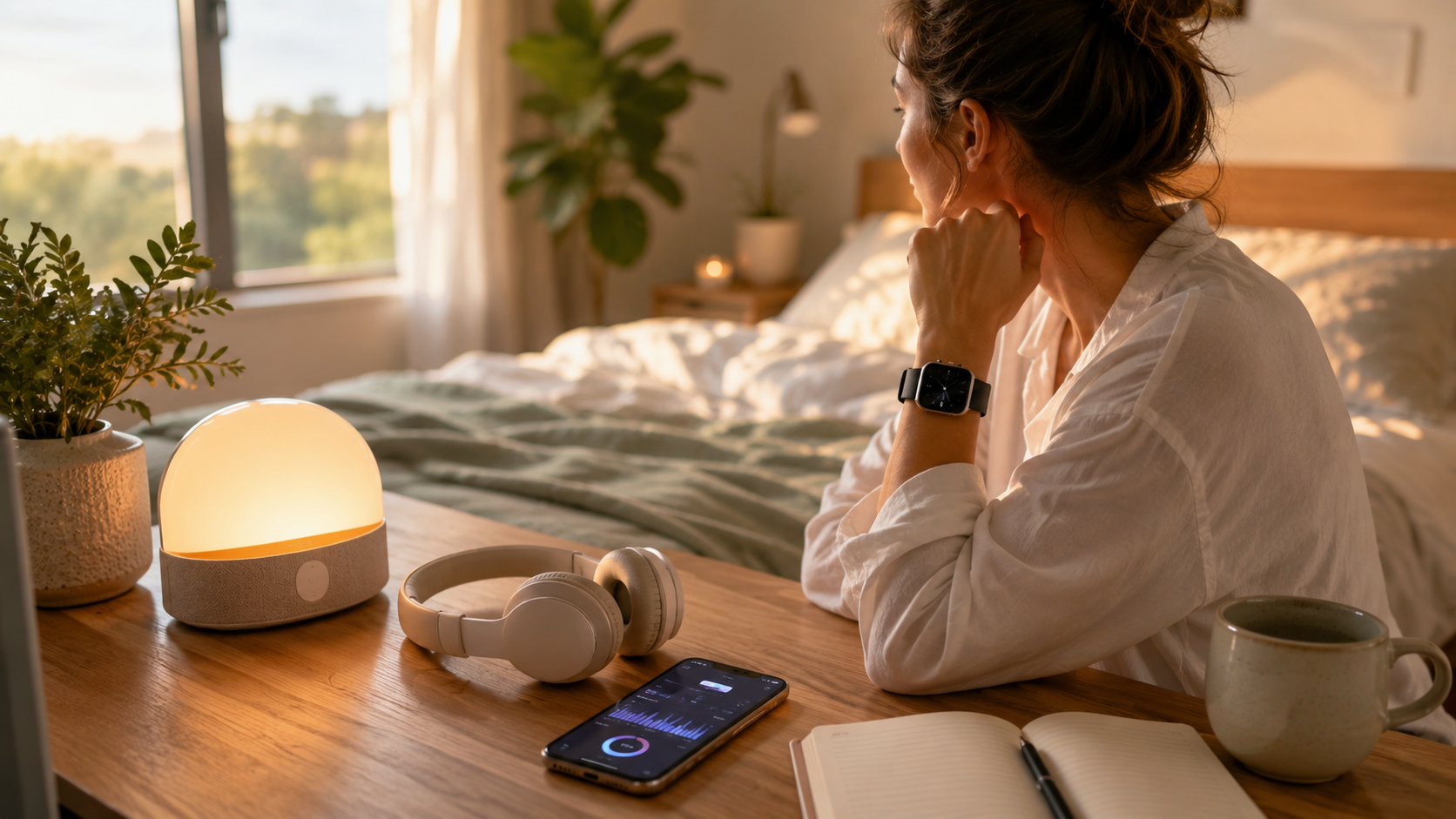
Sleep and wellness gadgets are among the most common starting points because sleep routines are shaped by light, noise, timing and consistency. A sunrise alarm can gradually brighten a room before wake-up time, while a white-noise machine can create a steadier sound environment. Sleep headphones may help some people listen to calming audio without disturbing a partner. Wearable wellness technology can also help users notice broad patterns, such as when they tend to go to bed or whether their routine changes across the week. These insights can be useful prompts for reflection, rather than scores to obsess over.
Start by identifying the part of your routine that feels most difficult. A noisy bedroom may make sound-management tools more useful than another tracker. For dark winter mornings, a sunrise alarm could be worth exploring. When bedtime changes from night to night, a reminder or wind-down routine may offer more support than buying another device. For more practical ideas, link readers to Do Sleep Trackers Really Help?.
Wellness Technology for Movement and Recovery
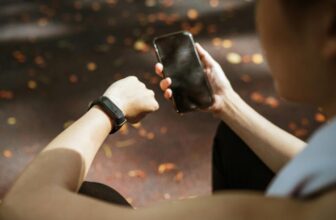
Wellness technology can also support movement by making activity easier to notice throughout the day. A basic fitness tracker can show steps, active minutes or reminders to move after long periods of sitting. Some people find this useful because it turns a vague goal “I should move more” into a visible pattern. Other everyday wellness devices, such as massage tools or smart scales, may be used as part of a wider routine. The value is not in collecting endless data. It is in choosing one measurement that helps you make a realistic decision, such as taking a short walk after lunch or planning recovery after exercise.
The most useful movement device is often the one that removes friction. A watch you already wear may be more practical than a complicated system that requires daily charging, multiple apps and constant manual input. Before buying, consider comfort, battery life, phone compatibility and whether the device gives information you will actually use. If you want a guide focused on wearables, add an internal link to Best Fitness Trackers for Everyday Health Goals when it is published. A simple routine followed regularly is usually more useful than a sophisticated device used only once.
Wellness Technology for Focus and Everyday Calm
Focus tools are another growing part of wellness tech for beginners. Noise-cancelling headphones, simple timers, screen-time settings and focus apps can help create clearer boundaries around work, study or quiet time. They do not remove every distraction, but they can make the environment more supportive. For example, a pair of comfortable headphones may help someone work in a busy household, while a timer can encourage short breaks rather than hours of unbroken screen time. The goal is not to create a perfect productivity routine. It is to make calm, concentration and recovery easier to protect during ordinary days.
When choosing focus-related wellness gadgets, comfort matters as much as features. Headphones that hurt after twenty minutes will not support a long work session. A complicated app with too many notifications may create more distraction than it removes. Start by identifying the real barrier: background noise, phone interruptions, poor boundaries, or difficulty taking breaks. Then choose one tool that addresses that barrier. You can later link this section to Noise-Cancelling Headphones for Focus and Everyday Calm, helping readers move from general guidance to a more specific buying guide.
How Wellness Technology Can Support Better Daily Habits
The strongest benefit of wellness technology is not that it creates motivation from nowhere. It is that it can make routines easier to see and repeat. Habits often depend on cues. A reminder at the right time, a light that gradually changes in the morning, or a device placed beside the bed can act as a cue to begin a behaviour. This is why simple devices can sometimes be more useful than feature-heavy ones. They reduce the number of decisions required. Instead of asking, “When should I start winding down?” a scheduled routine can offer a gentle prompt that makes the next step feel more automatic.
A device can also provide feedback, but feedback should be used carefully. Seeing a weekly step pattern may encourage a person to add a short walk. Seeing that bedtime is inconsistent may encourage a more regular evening routine. Yet numbers can become unhelpful if they create anxiety, guilt or a feeling that every day must be optimised. Wellness technology should support your life, not make you feel monitored by it. If a device leaves you feeling worse, switch off unnecessary notifications, simplify the data you view, or take a break from tracking. A tool is only useful when it improves your relationship with the habit.
| Type of device | Everyday purpose | What to consider before buying |
|---|---|---|
| Sleep tracker | Helps users notice sleep and routine patterns | Comfort, battery life, app privacy and realistic expectations |
| Fitness tracker | Supports awareness of movement habits | Ease of use, charging needs and which metrics matter to you |
| Sunrise alarm | Helps create a gentler, more consistent wake-up routine | Light settings, sound options and bedroom space |
| White-noise machine | Creates a more consistent sound environment | Volume control, timer, portability and power source |
| Noise-cancelling headphones | May support focus in noisy settings | Comfort, battery life and awareness of surroundings |
| Smart scale | Can support awareness of long-term trends | Privacy, realistic expectations and avoiding over-checking |
Health and wellness technology can be especially helpful when it is paired with a small, specific goal. Instead of deciding to “improve everything,” choose one habit for the next four weeks. You might aim to keep your phone away from the bed, walk for ten minutes after lunch, or use a wind-down reminder at the same time each evening. Then choose a device only if it genuinely supports that goal. This approach reduces unnecessary spending and makes it easier to tell whether the tool is helping. It also gives you permission to stop using a device that does not fit your routine.
A useful way to think about smart wellness devices is as a bridge between intention and action. The device is not the habit itself. A fitness tracker does not create movement; it can remind you to move. A sunrise alarm does not guarantee good sleep; it can support a more consistent waking environment. A noise machine does not solve every sleep difficulty; it can help some people manage a distracting sound environment. Keeping this distinction clear protects you from exaggerated marketing claims and helps you choose products based on realistic everyday value rather than promises of instant transformation.
A Simple Decision Chart Before You Buy
Do you have one specific routine you want to improve?
        ↓
Yes → Choose one device that supports that routine
        ↓
Will you realistically use it at least three times each week?
        ↓
Yes → Compare comfort, privacy, cost and ease of use
        ↓
No → Try a non-tech habit first, then reassess
Choosing Wellness Technology That Fits Your Routine
Choosing wellness technology starts with your lifestyle, not the latest trend. Ask what part of your day feels difficult right now. Is it getting started in the morning? Staying active during desk work? Switching off after a busy shift? Keeping a calmer bedtime routine? The answer should guide the category you explore. If you cannot name the routine, it is easy to buy a device because it looks impressive rather than because it will be useful. A focused question leads to a focused purchase, and focused purchases are more likely to become part of daily life.
Budget is also important. Wellness gadgets range from inexpensive timers and simple sleep masks to premium smart rings and connected home devices. More expensive does not automatically mean more helpful. A basic device with one clear function may be more valuable than a subscription-based product with dozens of features you never open. Before buying, check whether the device requires a paid membership, replacement parts, an app subscription or a particular phone ecosystem. These ongoing costs can change the real value of a product. The best purchase is one you can comfortably use and maintain over time.
Privacy deserves attention too, especially with wearable wellness technology. Many connected devices collect personal information, including activity, sleep or usage patterns. Read the privacy policy, check whether data can be deleted, and consider whether you are comfortable sharing information with a third-party app. The UK Information Commissioner’s Office has highlighted how emerging consumer technology can involve increasingly detailed personal data, including monitoring and automated environmental adjustments. Read the ICO’s technology horizon report.
Ease of use should be treated as a core feature. If a device takes too long to set up, needs charging every day, or creates constant alerts, it may become another task rather than a support. Look for clear controls, reliable syncing, comfortable design and settings that let you reduce notifications. For wellness tech for beginners, fewer features can often be better. A simple device that works consistently is more likely to become a habit than a complicated product that feels like homework. Choose tools that fit naturally into your day rather than demanding that you redesign your life around them.
Using Wellness Technology Wisely Without Over-Relying on It
Wellness technology works best when it sits alongside ordinary wellbeing habits: rest, movement, nourishing food, social connection, time outdoors and professional support when needed. It should not become a substitute for listening to your body or seeking help for persistent concerns. If you have symptoms that worry you, changes in mood, severe sleep difficulties, pain, or concerns about your health, speak with an appropriate healthcare professional rather than relying on consumer data alone. Devices can provide observations and prompts, but they cannot fully understand your personal history, circumstances or needs.
It is also worth avoiding the trap of constant optimisation. There is a difference between checking a trend once a week and repeatedly refreshing an app throughout the day. If numbers are making you anxious, reduce the information you see. Turn off alerts that do not help. Focus on one or two metrics that connect directly to your goal, such as bedtime consistency or daily movement. The aim is not to achieve a perfect score. It is to use information in a way that helps you make kinder, more practical choices. Your wellbeing is bigger than any dashboard.
Digital tools should remain optional and accessible. Not everyone wants to track data, can afford a device, or finds apps easy to use. NHS England’s digital inclusion framework emphasises the importance of maintaining non-digital support alongside digital approaches, so that technology does not create new barriers. That is a useful principle for personal wellbeing too. You can build a better routine with a notebook, a bedside lamp, a walk after lunch or a simple phone reminder. Technology is one option, not the only route to healthier habits.
The most sustainable approach is to review your device after a few weeks. Ask: Am I using it? Is it helping the routine I chose? Does it make life easier, calmer or clearer? Is it worth the cost? If the answer is no, it is fine to stop. You have not failed; you have learned what does not fit your lifestyle. If the answer is yes, keep the routine simple and let the tool remain in the background. The best everyday wellness devices often become almost invisible because they quietly support a habit you no longer need to think about.
Wellness Technology Can Be Helpful When It Stays Simple
Wellness technology is most useful when it supports a real need rather than creating a new one. A device may help you notice patterns, create a better environment or remember a habit you want to build. But it should never make you feel that wellbeing depends on owning more products. Start with one routine, choose one practical tool if needed, and give yourself time to see whether it fits. That approach protects your budget, reduces overwhelm and keeps the focus where it belongs: on the everyday choices that support your wellbeing.
If you are beginning your journey, explore our Sleep & Rest guides for practical ideas around bedtime routines, sleep trackers and calming bedroom environments. You can also visit Wellness Tools for future product guides and honest reviews. DTDF Wellness is designed to help you make thoughtful choices about wellness gadgets, not pressure you into buying every new device. The right tool is simply the one that makes your chosen habit easier to keep.
Frequently Asked Questions
What is wellness technology?
Wellness technology includes consumer devices, apps and connected tools that may support everyday habits around sleep, movement, focus, relaxation and routine. Examples include fitness trackers, smartwatches, sunrise alarms, white-noise machines and noise-cancelling headphones. These products can provide prompts, environmental support or general insights, but they are not replacements for medical assessment or treatment.
Are wellness gadgets worth buying?
Wellness gadgets can be worth buying when they solve a specific problem and fit naturally into your routine. Before purchasing, identify the habit you want to support, check ongoing costs, consider comfort and privacy, and ask whether you will realistically use the device several times each week. A simple, affordable tool may be more useful than a premium device with features you do not need.
Can wearable wellness technology diagnose health conditions?
Most consumer wearable wellness technology should not be treated as a diagnostic tool. Devices may estimate trends or collect general information, but they cannot replace a healthcare professional’s assessment. If you have symptoms or health concerns, seek advice from an appropriate clinician rather than relying on a smartwatch, fitness tracker or app alone.
What is the best wellness tech for beginners?
The best wellness tech for beginners depends on the routine you want to improve. A sunrise alarm may suit someone working on morning consistency, a simple fitness tracker may suit someone building a walking habit, and noise-cancelling headphones may help someone focus in a busy environment. Start with one need and one straightforward tool rather than buying several devices at once.
Medical disclaimer: This article is for general educational purposes only. It does not provide medical advice, diagnosis or treatment. Speak with a qualified healthcare professional about personal health concerns.
Affiliate disclosure: DTDF Wellness may earn a commission from qualifying purchases made through some links, at no extra cost to you. Product recommendations are selected to support informed, practical choices.

David Igbinidu is the founder of DTDF Wellness and a Registered Mental Health Nurse based in the UK. He writes about fitness, nutrition, mental wellbeing, sleep and wellness technology, with a focus on practical information that helps readers make informed decisions and build healthier everyday habits.